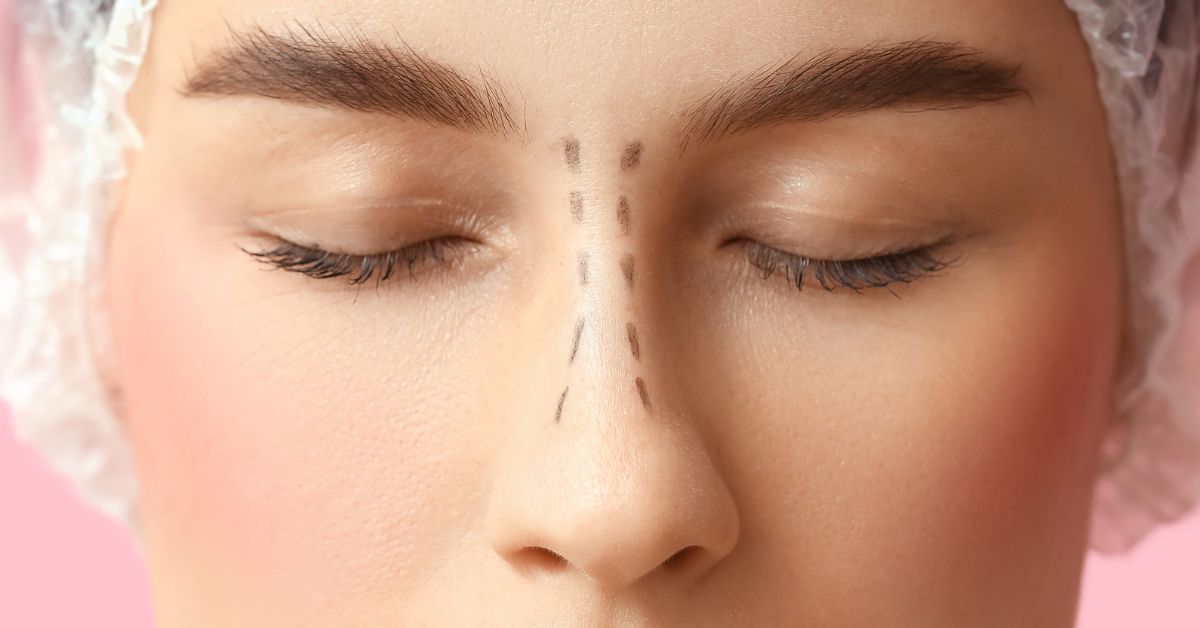
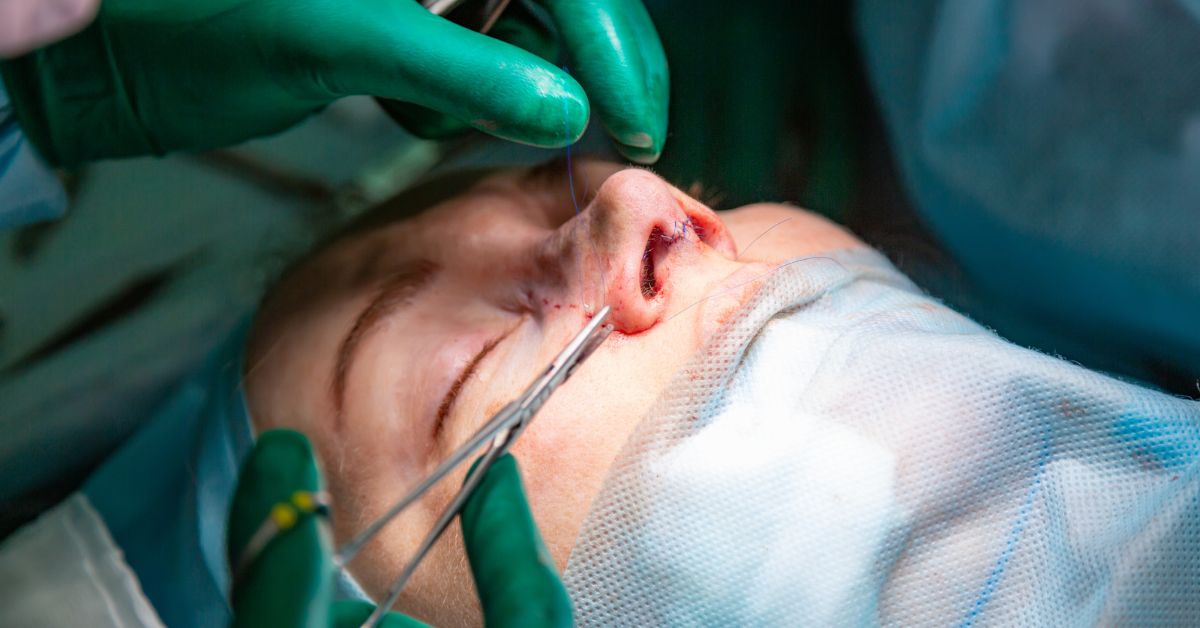
If you’ve researched rhinoplasty recently, you’ve likely come across the term «ultrasonic rhinoplasty» (also called piezoelectric or piezo rhinoplasty) marketed as a newer, gentler alternative to traditional techniques.
The claims sound appealing: less bruising, more precision, less trauma to surrounding tissue. But how much of this is genuinely different, and how much is marketing language around a tool that, while useful, isn’t a magic solution?
Dr. Jaime Ramírez, who has performed rhinoplasty procedures using both traditional and ultrasonic techniques, breaks down honestly what ultrasonic technology actually changes and, just as importantly, what it doesn’t.
What Is Traditional Rhinoplasty Technique
In traditional rhinoplasty, when bone needs to be reshaped or reduced (for example, removing a dorsal hump), surgeons use manual instruments: osteotomes (essentially precision chisels) and rasps (filing instruments) to carefully break, reshape, or smooth nasal bone.
This technique has been refined over many decades and, in experienced hands, produces excellent, predictable results. It requires significant surgical skill and tactile precision the surgeon feels the resistance of the bone directly through the instrument.
What Is Ultrasonic (Piezoelectric) Rhinoplasty
Ultrasonic rhinoplasty uses a specialized device that generates high-frequency ultrasonic vibrations to cut, shape, or smooth bone with precision without directly cutting soft tissue.
The key technical difference: the ultrasonic instrument is selective. It’s designed to affect bone specifically while being far less likely to damage surrounding soft tissue, cartilage, mucosa, and blood vessels than traditional manual instruments.
This selectivity is the actual scientific basis behind the technique’s proposed benefits not simply that it’s «newer» or «more advanced» in a vague sense.
The Real Differences
- Precision on bone work
Ultrasonic technology allows for more controlled, incremental bone shaping compared to the more forceful, sometimes less predictable nature of manual osteotomy. This can be particularly valuable for correcting a prominent dorsal hump with fine control. - Reduced soft tissue trauma
Because the ultrasonic tip is selective for bone, there’s generally less collateral damage to surrounding soft tissue and blood vessels during bone work specifically. - Potentially less bruising and swelling (bone-work related)
Some studies and clinical experience suggest reduced bruising specifically related to the bone-shaping portion of surgery, though this varies by patient and overall surgical technique. - More controlled irregular surface smoothing
Particularly useful for smoothing small bony irregularities with more finesse than traditional rasping. - Longer equipment setup, similar overall surgery time
The technology itself doesn’t dramatically shorten or lengthen total surgical time the benefit is in precision, not speed.
What Ultrasonic Technology Does NOT Change
This is where honest expectations matter most:
- It does not replace cartilage work
The majority of rhinoplasty tip refinement, cartilage repositioning, structural grafting has nothing to do with bone and is performed identically regardless of whether ultrasonic technology is used for the bony portions. - It does not guarantee a «better» result
The surgeon’s skill, judgment, and overall surgical plan remain the primary factors determining your outcome not which instrument reshapes the bone. - It does not eliminate all bruising or swelling
General facial swelling and bruising from the overall procedure (not just bone work) still occurs. Total recovery timeline remains largely similar to traditional rhinoplasty. - It’s not necessary for every patient
Patients with minimal bone work needed (primarily cartilage-focused corrections) may see little to no practical benefit from ultrasonic technology, since it’s specifically for bone shaping. - It doesn’t make revision rhinoplasty simpler
Complex revision cases remain complex regardless of which bone-shaping tool is used the complexity comes from scar tissue and altered anatomy, not the technology available.
Who Benefits Most From Ultrasonic Technique
Ultrasonic rhinoplasty tends to offer the most practical benefit for:
- Patients with a prominent dorsal hump requiring precise bone reduction.
- Patients with asymmetric or irregular nasal bones needing fine-tuned smoothing.
- Revision cases where extremely precise bone work is needed near delicate previously-operated structures.
- Patients specifically concerned about bruising around the eye area (bone work near this region benefits most from the technique’s precision)
For patients whose main concerns are tip shape, cartilage refinement, or functional airway issues unrelated to bone, the choice of bone-shaping technology is largely irrelevant to their outcome.
Cost and Availability Considerations
Ultrasonic rhinoplasty equipment represents a significant investment for a surgical practice, and the technique requires additional specialized training beyond standard rhinoplasty training.
Because of this, it may be offered at a modest premium in some practices, though Dr. Ramírez includes it as part of his standard technique repertoire for appropriate cases without treating it as a separate «upgrade» charge it’s simply one of the tools available based on what each specific case requires.
Dr. Ramírez's Honest Perspective
«I use ultrasonic technology regularly, and it genuinely offers precision advantages for certain bone work particularly complex dorsal hump reduction and revision cases near delicate structures. It’s a valuable tool in my technique repertoire.
What I won’t do is oversell it as some universal solution that makes rhinoplasty dramatically ‘better’ for every patient. For a patient whose main concern is tip refinement with minimal bone work needed, whether I use ultrasonic or traditional instruments for the small bone component makes little practical difference to their final result.
The technology is a tool, not a guarantee. The surgeon’s judgment about when and how to use it combined with overall surgical skill is what actually determines your outcome.»
This honesty is important precisely because ultrasonic rhinoplasty has become a heavily marketed term, sometimes used to suggest a categorically superior experience regardless of whether a specific patient’s case would actually benefit from it.
Frequently Asked Questions
Should I specifically request ultrasonic rhinoplasty?
Discuss your specific concerns with your surgeon first. If significant bone reshaping is part of your plan, ask whether ultrasonic technique would be beneficial for your particular case.
Does ultrasonic rhinoplasty cost more?
It can, in some practices, due to equipment and training investment. Ask directly about pricing structure during consultation.
Is recovery genuinely shorter with ultrasonic technique?
Bone-work-specific bruising may be somewhat reduced, but overall recovery timeline (swelling, final results at 3-6 months) remains largely similar to traditional rhinoplasty.
Can ultrasonic technology be used for tip work too?
No. It’s specifically designed for bone shaping. Cartilage and tip work use different surgical techniques regardless of whether ultrasonic bone technology is used elsewhere in the procedure.
Is ultrasonic rhinoplasty safer than traditional technique?
Both are safe in experienced hands. Ultrasonic technology may offer more precision and reduced soft-tissue trauma specifically during bone work, but overall safety depends primarily on surgeon skill and experience regardless of technique used.
Does every good rhinoplasty surgeon use ultrasonic technology?
No. Many highly skilled surgeons achieve excellent results with traditional instruments. The technology is one option among several valid approaches, not a marker of surgical quality by itself.
Conclusion
Ultrasonic rhinoplasty is a real, legitimate technological advancement with genuine precision benefits specifically for bone-shaping portions of rhinoplasty surgery not a marketing gimmick, but also not the dramatic universal upgrade it’s sometimes portrayed as.
Its value depends heavily on your specific case: significant for patients needing precise dorsal hump correction or revision work near delicate structures, largely irrelevant for patients whose concerns are primarily cartilage or tip-focused.
The most important factor in your result remains what it’s always been: the surgeon’s judgment, skill, and experience not which specific instrument reshapes your nasal bone.
Want to know whether ultrasonic technique would benefit your specific case? Schedule a consultation with Dr. Ramirez.