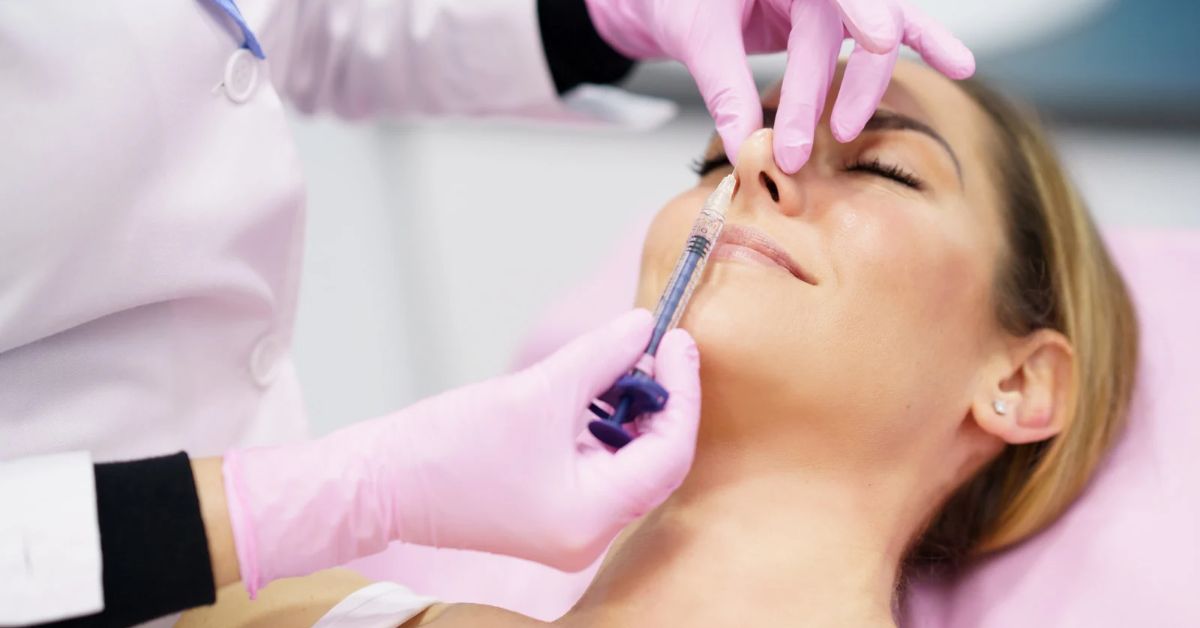
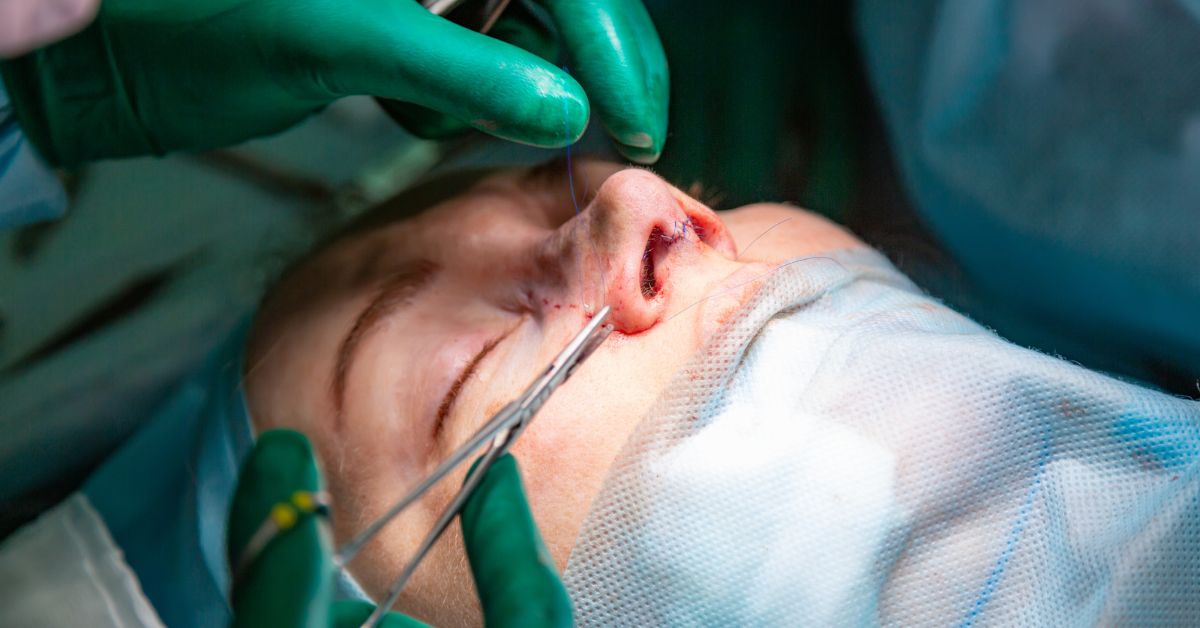
Before a single incision is made, a thorough rhinoplasty involves something patients rarely see: a detailed, methodical evaluation that determines exactly what’s possible, what’s realistic, and what technique will work best for that specific nose.
This isn’t a five-minute glance. It’s a structured assessment covering facial proportions, skin quality, cartilage strength, breathing function, and psychological readiness.
Dr. Jaime Ramírez, with dual specialization in Facial Plastic Surgery and Otolaryngology, has refined this evaluation process over three decades. This guide walks through exactly what he checks and why each factor matters for your final result.
Why This Evaluation Matters
tructurally different. What works beautifully for one patient can fail for another with different skin thickness, cartilage strength, or facial proportions.
Every nose is s
Skipping or rushing this evaluation is one of the most common reasons rhinoplasty results disappoint patients. A surgeon who doesn’t assess these factors properly is essentially guessing at what technique to use and guessing leads to unpredictable results, or worse, complications that require revision surgery later.
A comprehensive evaluation isn’t extra caution. It’s the foundation that determines whether your surgical plan will actually work for your specific anatomy.
Facial Proportion Analysis
The nose doesn’t exist in isolation it’s evaluated in relation to the entire face.
What’s assessed:
- Nose length relative to face height.
- Nose width relative to eye spacing.
- Bridge height relative to forehead and chin projection.
- Tip projection relative to overall facial balance.
- Profile harmony (how the nose relates to lips and chin from the side).
- Facial symmetry baseline (most faces have natural asymmetry establishing this baseline prevents chasing «perfect» symmetry that doesn’t exist).
Skin Thickness and Quality
This is one of the most underrated factors in rhinoplasty planning—and one of the most important for predicting your final result.
Thin skin:
- Shows every subtle change in the underlying cartilage structure.
- Allows for more defined, refined results.
- Higher risk of visible irregularities if cartilage work isn’t perfectly smooth.
- Requires meticulous, conservative technique
Thick skin:
- Hides fine cartilage details dramatic changes underneath may not show much on the surface.
- More forgiving of minor irregularities.
- Requires more aggressive structural changes to see visible results.
- Higher risk of prolonged swelling and less-defined tip projection
Dr. Ramírez physically assesses skin thickness and elasticity during consultation, then adjusts the entire surgical plan accordingly. A technique that works perfectly for thin skin can produce disappointing, undefined results in a patient with thick skin and vice versa.
Cartilage Strength and Structure
The cartilage is the actual building material of your new nose shape. Its quality determines what’s structurally possible.
What’s evaluated:
- Septal cartilage strength and quantity (often used as graft material).
- Alar cartilage strength (affects tip definition and support).
- Whether cartilage is naturally strong or weak/flexible.
- Presence of any previous trauma affecting cartilage integrity
Why it matters: If a patient has weak or insufficient cartilage, achieving certain aesthetic goals (like a very defined, refined tip) may require additional grafting material sometimes from the ear or rib. Dr. Ramírez identifies this need during evaluation, not as a surprise during surgery.
Nasal Function Assessment
Even for purely cosmetic requests, functional evaluation is essential partly because Dr. Ramírez’s ENT background makes this a natural part of his process, and partly because aesthetic changes can inadvertently affect breathing if function isn’t considered.
What’s checked:
- Internal nasal valve function (often invisible externally but critical for breathing).
- Septal position (deviated or straight).
- Turbinate size (can contribute to congestion).
- Any pre-existing breathing difficulty, even if not the patient’s primary concern
This step prevents a common problem: purely cosmetic rhinoplasty that unintentionally worsens breathing because the internal airway wasn’t properly assessed and protected during planning.
Psychological Readiness and Expectations
A responsible surgeon evaluates more than anatomy they evaluate whether the patient’s expectations are realistic and whether they’re emotionally prepared for the process.
Questions Dr. Ramírez explores:
- What specifically bothers you about your current nose
- What result are you hoping for can you describe it, or show reference images?
- Do you understand the recovery timeline and swelling process
- Are you doing this for yourself, or due to outside pressure?
- Do you have any history of body dysmorphic tendencies?
Warning signs that may delay or redirect a case:
- Expecting to look like a specific celebrity with fundamentally different bone structure.
- Expecting «perfection» or zero visible change in appearance to others.
- Extreme fixation on minor imperfections not noticeable to others.
- Requesting the surgery to please someone else, not themselves
Dr. Ramírez will postpone or decline surgery if he believes expectations aren’t realistic or the patient isn’t psychologically ready this protects the patient from a result that won’t satisfy them regardless of surgical skill.
Medical History Review
Standard but critical:
- Previous nasal trauma or surgery.
- Allergies and chronic sinus issues.
- Bleeding disorders or blood-thinning medications.
- Smoking status (significantly affects healing).
- General health conditions affecting anesthesia safety.
- Family history of keloid or excessive scarring tendency.
The Surgical Plan That Results
After completing this full evaluation, Dr. Ramírez develops a personalized surgical plan that specifies:
- Exact technique approach (open vs. closed rhinoplasty).
- Whether cartilage grafting is needed, and from where.
- Specific structural changes planned for bridge, tip, and base.
- Whether functional correction is needed alongside aesthetic changes.
- Expected recovery timeline specific to the patient’s skin type and planned changes.
- Realistic outcome expectations based on all evaluated factors.
This plan is discussed with the patient before surgery no surprises, no guessing during the operation itself.
Frequently Asked Questions
How long does this evaluation take?
Initial consultation typically takes 45-60 minutes to properly cover all these factors.
Do I need to do anything to prepare for the evaluation?
Come with clear ideas about what bothers you, any reference photos of desired outcomes, and be ready to discuss your breathing history honestly.
What if the surgeon tells me my expectations aren't realistic?
This is valuable, honest feedback—not a rejection. A good surgeon adjusts your understanding of what’s achievable rather than either refusing to help or falsely promising the impossible.
Can skin thickness really change my results that much?
Yes, significantly. It’s one of the top predictors of how refined or subtle your final result will look, regardless of surgical technique used.
Will I need imaging tests beyond photos?
Sometimes. If functional concerns are suspected, nasal endoscopy may be recommended to fully evaluate internal structures.
What if I only want cosmetic changes do I still need functional evaluation?
Yes. Even purely cosmetic requests require functional assessment to ensure surgery doesn’t inadvertently create breathing problems.
Conclusion
A thorough pre-surgical evaluation isn’t bureaucratic caution it’s the difference between a predictable, well-planned result and an unpredictable outcome based on guesswork.
Facial proportions, skin thickness, cartilage strength, nasal function, and psychological readiness all directly shape what technique will work and what result is realistically achievable for your specific anatomy. Choosing a surgeon who takes this evaluation seriously is one of the most important decisions in the entire process.
Ready for a comprehensive evaluation of the possibilities in your particular case? Schedule a consultation with Dr. Ramirez.